

What Regulation Feels Like
A science-based explanation of life force energy, flow, and nervous system regulation. Learn how polyvagal theory, interoception, and somatic awareness explain what regulation feels like and how capacity and the window of tolerance expand over time.

Flow, Vitality, and the Nervous System
Many people describe moments when they feel fully alive, clear, and naturally themselves. Across cultures this experience has been called life force energy, while psychology often refers to a similar experience as flow. In somatic and neuroscience-informed work, this experience can be understood through the lens of nervous system regulation.
The purpose of understanding this scientifically is not to make the experience more complicated, but to make it more accessible. For some individuals, especially those who think analytically, the nervous system does not easily settle into new experiences without understanding why something works. The KC Recess blog exists to explain what the brain and body are doing so that regulation becomes recognizable, repeatable, and trustworthy.
From a biological perspective, the nervous system continuously evaluates safety and threat. According to polyvagal theory, when the body perceives danger or uncertainty, energy is directed toward survival responses such as fight, flight, or shutdown. In these states, attention narrows and the body prioritizes protection over connection, creativity, and exploration.
When the nervous system perceives sufficient safety, energy becomes available for engagement rather than defense. This regulated state — associated with ventral vagal activation — supports connection, curiosity, emotional flexibility, and coordinated action. Subjectively, people often describe this as feeling present, capable, and at ease in themselves.
What is often described as life force energy is, scientifically, a nervous system with available capacity.
Life Force Energy and the Experience of Flow
The psychological concept of flow describes a state in which action feels natural, attention is focused, and effort is present without strain. People frequently report a sense of completeness or sufficiency — not striving to become something else, but feeling aligned with what they are doing in the moment.
From a somatic experiencing perspective, this reflects an organized nervous system. Activation and rest are balanced rather than competing. Energy is available, but it is not urgent or pressured. The system is no longer dominated by threat detection, allowing movement, creativity, and engagement to emerge naturally.
This is why life force energy is often experienced as ease. It is not the absence of effort, but the absence of internal resistance created by defensive activation. The experience feels natural — you in the most “you” way possible.
How Regulation and Vitality Are Felt in the Body
One of the goals of nervous system regulation is learning to recognize what regulation actually feels like physically. Research on interoception, the awareness of internal bodily sensation, shows that increased awareness of body signals improves emotional regulation and expands the window of tolerance.
Common physical markers include:
Warmth or gentle movement in the body
Breath that deepens without effort
A sense of groundedness or stability
Curiosity or motivation without pressure
Emotional responsiveness without overwhelm
Many people also notice sensation appearing in similar areas of the body. While individual perception differs, commonly reported locations include warmth or fullness in the lower abdomen, expansion through the chest, tingling or aliveness in the arms and hands, or a steady heaviness through the legs and pelvis.
These sensations reflect changes in autonomic regulation. As defensive activation decreases, muscle tension reduces, breathing patterns shift, and sensory awareness increases. What is sometimes described as energy moving through the body can be understood physiologically as increased nervous system flexibility and access to sensation.
Recognizing these sensations matters. The nervous system learns through experience, and noticing regulated states helps the body learn what safety and organization feel like so that those states can be accessed again.
Differentiating Vitality from Anxiety
A common misunderstanding is confusing vitality with activation. Both may involve energy or movement in the body, but they arise from very different physiological states.
Anxiety and flight activation are typically experienced as urgency. The body feels pushed in a direction, thoughts narrow toward potential danger, and action is driven by a need to reduce discomfort. The experience is often chaotic, compulsive, and relief-based.
In contrast, vitality or life force energy is organized rather than driven. Movement may feel available but not required. The body feels strong, comfortable, and clear. There is an ability to remain in quiet or stillness without needing to escape it, while also not feeling trapped by stillness. Energy feels sufficient rather than lacking.
This difference reflects a regulated nervous system capable of moving between activation and rest without losing a sense of safety.
How Access to Vitality Increases
Access to vitality is not typically created by forcing energy or attempting to feel different. From a nervous system regulation perspective, increased vitality occurs when the system learns that it no longer needs to remain organized around defense.
Research in somatic experiencing and autonomic regulation suggests that capacity increases through repeated experiences of noticing regulated states rather than attempting to manufacture them. When individuals recognize moments of feeling calm, clear, engaged, or authentically themselves, the nervous system begins to map those sensations as familiar and safe.
This is why noticing physical sensations during moments of feeling good, capable, or connected is important. The brain learns through repetition and contrast. As awareness of regulated states increases, the nervous system becomes more able to return to them, expanding the window of tolerance over time.
In practical terms, vitality tends to increase in environments that allow the body to experience safety, movement, connection, and expression without urgency or performance pressure. The increase in energy is not something added to the system, but something that becomes available as defensive activation decreases.
Building Capacity in the Nervous System
Research consistently shows that vitality increases when experiences support flexibility within the autonomic nervous system. These include:
Safe social interaction and empathetic connection
Rhythmic movement and physical expression
Play and novelty
Creative engagement
Genuine rest and recovery
These conditions improve vagal tone and increase emotional flexibility, allowing energy to move toward growth rather than protection. From a scientific perspective, this increases nervous system capacity. From an experiential perspective, many people describe this as accessing life force energy.
Understanding the science does not replace experience. Instead, it allows the brain to relax its need for certainty. For people who need to know why before their system allows them to feel, understanding what the brain and body are doing can itself be the beginning of regulation.
-
Porges, S. W. (2011). The Polyvagal Theory.
https://wwnorton.com/books/9780393707007 -
Craig, A. D. (2009). How do you feel — now? The anterior insula and human awareness. Nature Reviews Neuroscience. https://www.nature.com/articles/nrn2555
-
Csikszentmihalyi, M. (1990). Flow: The Psychology of Optimal Experience. https://www.harpercollins.com/products/flow-mihaly-csikszentmihalyi
-
Thayer, J. F., & Lane, R. D. (2000). A model of neurovisceral integration. Biological Psychology. https://www.sciencedirect.com/science/article/pii/S0301051100000384
-
Levine, P. A. (2010). In an Unspoken Voice. https://www.northatlanticbooks.com/shop/in-an-unspoken-voice/
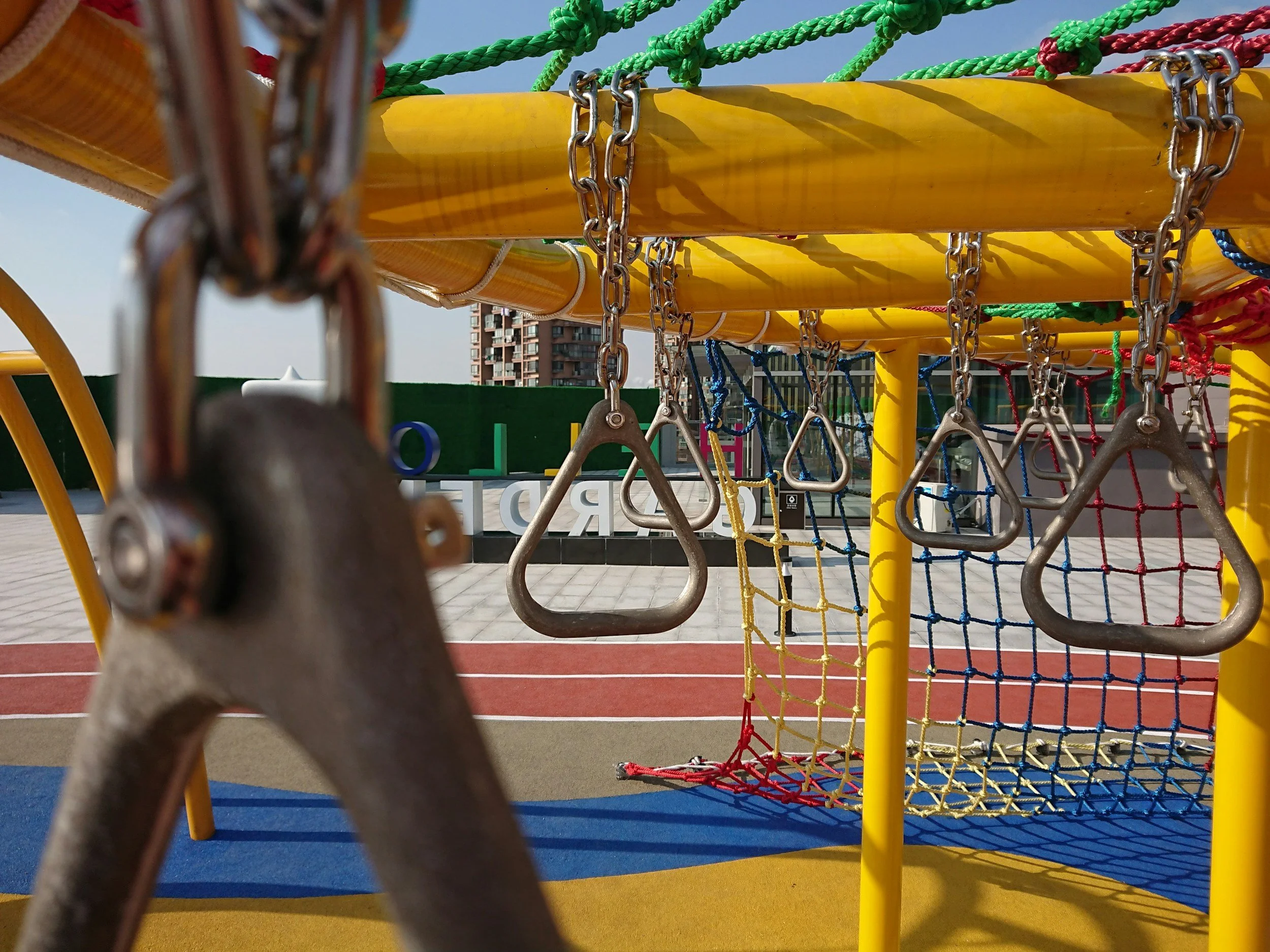
Play As a Nervous System Intervention
Explore how play functions as a nervous system intervention in trauma healing, supporting regulation, flexibility, and physiological safety through somatic principles.
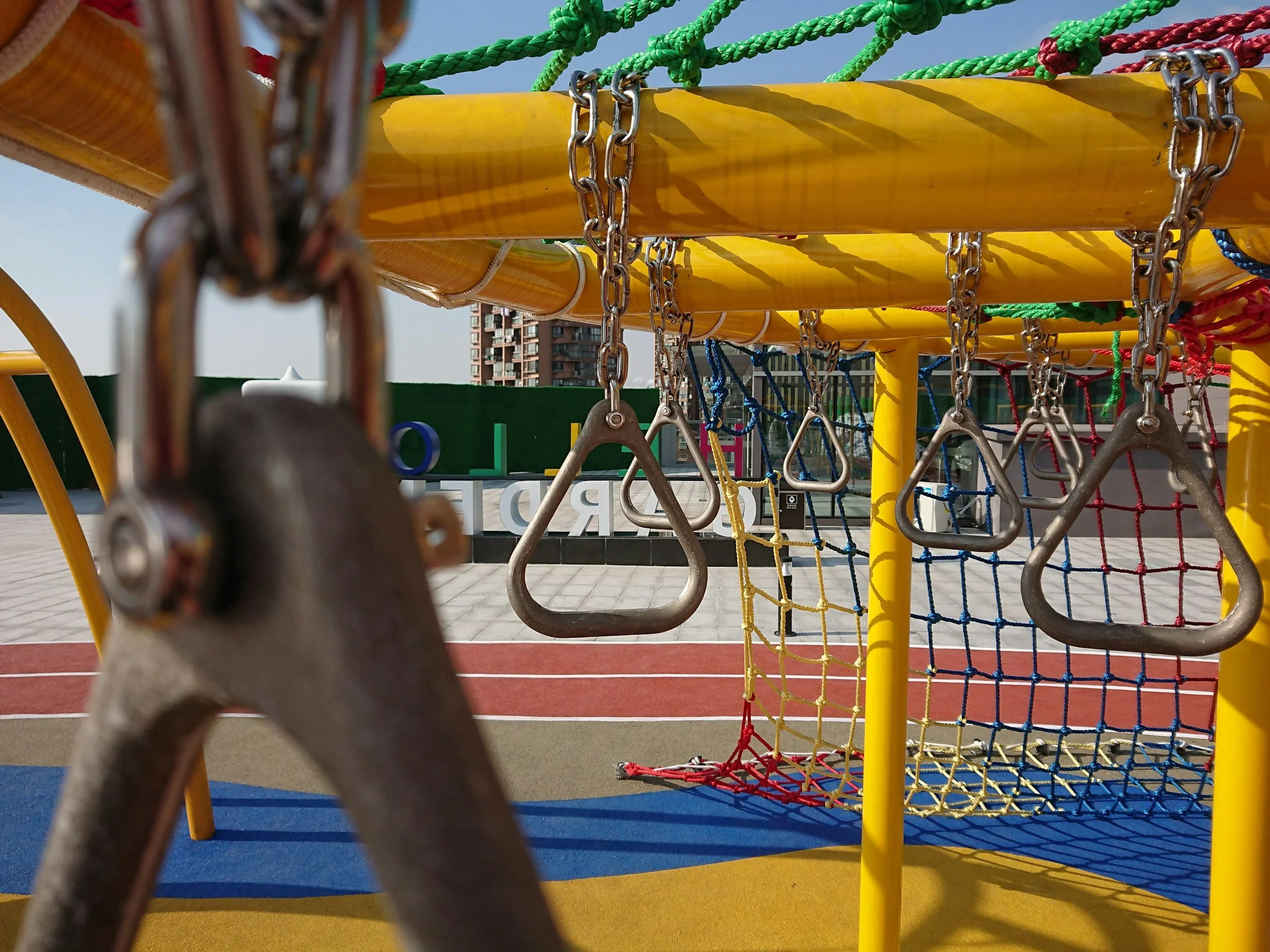
Trauma isn’t “just in your head.” It lives in the body
— specifically in how the nervous system organizes defense responses long after a stressor has passed. When the body repeatedly perceives threat without sufficient safety or recovery, protective survival responses (fight, flight, freeze) can remain active even in non-threatening situations. This chronic autonomic activation contributes to anxiety, emotional dysregulation, and a restricted ability to engage socially or experience pleasure. Neurological research shows these patterns are not primarily cognitive; they are rooted in physiological processes that require experience, not just insight, to change.
The Nervous System and Regulation
Central to autonomic regulation is the vagus nerve, a major component of the parasympathetic nervous system that helps slow heart rate and promote recovery after stress. Healthy vagal function — often indexed by heart rate variability (HRV) — is correlated with better emotional and physiological regulation. Research links altered vagal regulation with childhood adversity and chronic stress, suggesting that how the nervous system responds to challenge is a critical component of long-term psychological and physical health.
Stephen Porges’ Polyvagal Theory, while debated in some neuroanatomical details, offers a widely used framework for understanding how autonomic states support social engagement or defensive survival responses. It emphasizes that physiological safety — not just cognitive belief in safety — is necessary for regulation and connection.
Why Play Matters
Play may seem “light,” but it involves dynamic physiological patterns that are exactly what a dysregulated nervous system needs to retrain itself. Play naturally mixes:
Activation — through movement and novelty
Recovery — through safe end points and social engagement
This cycle allows the autonomic nervous system to experience manageable activation followed by return to calm, thereby strengthening its flexibility. Some practitioners describe this as “exercising the vagal brake,” meaning play helps the nervous system learn how to shift between states of arousal and regulation more fluidly.
While most research on play’s effects comes from developmental studies — showing that free play is linked with improved baseline vagal tone in children — the physiological mechanisms (activation followed by recovery through safe engagement) are not exclusive to childhood. Similar pathways underlie adult nervous system regulation, even if the form of play looks different.
Takeaway
Play is not recreational fluff — it’s a biological experience that contributes to autonomic regulation by repeatedly providing safe activation and recovery. As a nervous system intervention, it supports flexibility, recovery after stress, and stronger social engagement pathways.
-
Free social play in children predicts higher levels of respiratory sinus arrhythmia (a marker of parasympathetic/vagal activity), suggesting play supports autonomic regulation.
Gleason, T. et al. (2021). Opportunities for free play and young children’s autonomic regulation.
https://pubmed.ncbi.nlm.nih.gov/34196394/ -
Reviews associations between early adversity and vagal functioning, indicating alterations in autonomic regulation linked with stress exposure.
Systematic review on childhood adversity and vagal activity.
https://www.sciencedirect.com/science/article/pii/S0149763422004092 -
Polyvagal Theory describes vagal tone (as indexed by RSA) as a physiological marker of parasympathetic regulation relevant to social engagement and stress response.
Polyvagal theory (summary).
https://en.wikipedia.org/wiki/Polyvagal_theory -
Heart rate variability (HRV), including RSA measures, is widely used in psychophysiological research to index cardiac vagal (parasympathetic) influence and self-regulatory capacity.
Laborde, S., et al. (2017). Heart Rate Variability and Cardiac Vagal Tone in Psychophysiology.
https://www.frontiersin.org/journals/psychology/articles/10.3389/fpsyg.2017.00213/full -
In an animal study, natural play behavior elevated HRV (a marker of parasympathetic activation) during and immediately after play, signaling a positive autonomic effect of play behavior in mammals.
Steinerová, K. (2025). Play behavior increases heart rate variability in pigs.
https://pmc.ncbi.nlm.nih.gov/articles/PMC11812062/ -
Play supports learning, exploration, social skills, and emotional development, including neural pathway integration — foundational concepts relevant to nervous system processes.
Learning through play. Wikipedia overview.
https://en.wikipedia.org/wiki/Learning_through_play