
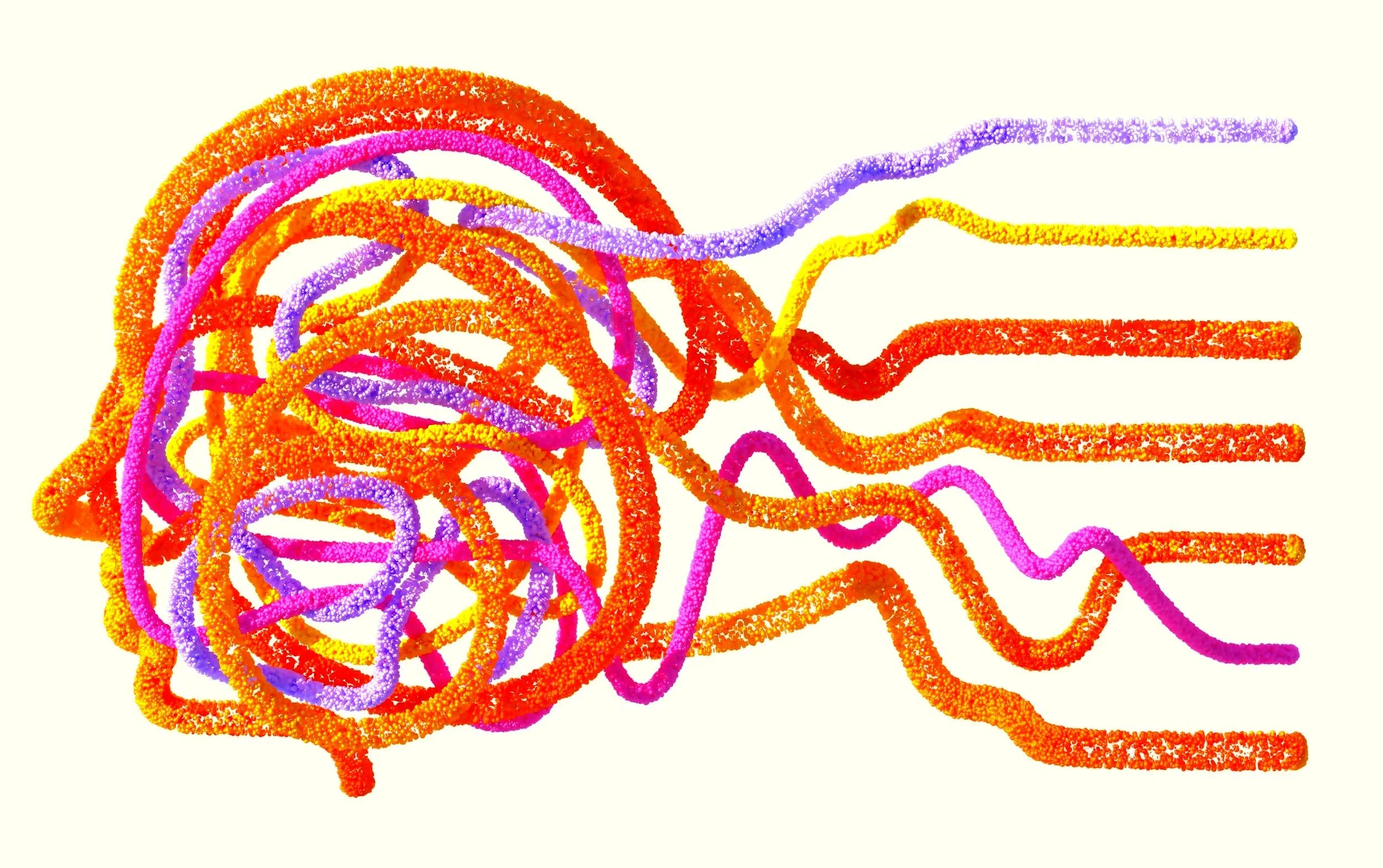
Somatic Therapy Is Everywhere
Somatic therapy in Kansas City: what it is, why it’s trending, what research shows, and how to choose safe, effective, body-based healing practices.
Why It’s Popular, What the Research Says, and How to Choose Safely
If it feels like somatic therapy is suddenly everywhere, you’re not imagining it. From breathwork classes to “nervous system resets,” from rage rooms to guided audio experiences—many approaches now claim to be body-based healing. The language is compelling: release, regulate, reconnect. But not everything labeled “somatic” is actually working with the body in a way that leads to healing.
And that distinction matters.
Why Somatic Therapy Is Growing So Fast
There’s a reason people are turning toward somatic practices. Research across neuroscience, trauma studies, and polyvagal theory shows that stress and trauma are not just cognitive—they are physiological states held in the body.¹ ² When the nervous system is activated—whether through fear, overwhelm, or chronic stress—the body shifts into protective states like fight, flight, or shutdown. These states are not resolved through insight alone.³ That’s where somatic approaches come in.
Instead of asking, “What do you think about this?”
They ask, “What is happening in your body right now?”
And for many people, that shift is powerful.
What the Research Actually Supports
Effective somatic therapy is not just about involving the body—it’s about how the body is engaged. Evidence-based somatic modalities (such as Somatic Experiencing) emphasize:
Bottom-up processing (body → brain, not brain → body)⁴
Titration (working with small, manageable amounts of activation)⁴
Pendulation (moving between activation and safety)⁴
Integration (allowing the nervous system to settle and reorganize)⁵
These elements are not optional—they are the mechanism of change. Without them, activation alone does not equal healing.
Where Things Start to Go Off Track
As somatic language becomes more popular, it’s also becoming more diluted. A common misunderstanding is this: If it involves the body or the senses, it must be somatic.
That’s not accurate. Listening to instructions through headphones, following guided breathing on cue, or participating in highly directed experiences can still be top-down processes—meaning the brain is leading, organizing, and controlling the experience. Even if the body is involved, the nervous system may not be self-organizing—which is where healing occurs.
Catharsis Is Not the Same as Healing
Experiences like rage rooms or forced emotional release are often marketed as somatic release. They can create a temporary sense of relief. But research suggests that high-intensity activation without regulation or integration can reinforce stress responses rather than resolve them.⁶ In some cases, it can even increase nervous system dysregulation. This is why approaches grounded in polyvagal theory emphasize capacity over intensity—the ability to stay present with sensation, not overwhelm it.²
Why Integration Is the Missing Piece
One of the most overlooked aspects of somatic work is integration. After activation, the nervous system needs time and support to return to a regulated state, make meaning of the experience, and incorporate new patterns of safety. Without integration, the experience remains incomplete. It may feel powerful in the moment—but it doesn’t translate into lasting change. A Note on Safety and Consent:
Somatic work often includes touch, proximity, and co-regulation. When used appropriately, these can be powerful tools.
But they must be consensual, visible and predictable, AND relationally attuned Practices that remove a participant’s ability to see or hear while introducing unexpected touch eliminate key elements of nervous system safety. Without safety, the body cannot shift out of protection.
How to Recognize Thoughtful Somatic Work
Somatic work is not about doing more. It’s about allowing the nervous system to do what it already knows how to do—when given the right conditions. If you’re exploring somatic therapy in Kansas City or anywhere else, look for approaches that:
Move at a slow, titrated pace
Emphasize felt sense awareness (not just instruction)
Allow your body—not the facilitator—to lead the process
Include integration time and supportPrioritize consent, transparency, and relational safety
Include an empathetic witness—a trained, attuned person who can track, respond, and stay present with you as your experience unfolds
Somatic healing does not happen in isolation. Research on co-regulation and therapeutic alliance shows that the nervous system organizes in the presence of another regulated, responsive human.¹ ²
An empathetic witness is not passive.
They are actively:
Tracking shifts in your nervous system
Responding with attunement, not direction
Helping you stay within a window of tolerance
Supporting the integration of what arises
Without that relational presence, experiences may still feel intense or even meaningful—but they are more likely to remain incomplete. Somatic work is not just about what happens in your body. It’s about what happens between bodies.
The Bottom Line
The rise of somatic healing reflects something important:
People are recognizing that healing doesn’t just happen in the mind. But for somatic work to be effective, it must go beyond surface-level engagement with the body. It requires presence, pacing, relationship, and integration. Because you can’t heal what you don’t feel. And you can’t feel what the nervous system doesn’t experience as safe.
-
The Body Keeps the Score – trauma stored in body
https://www.penguinrandomhouse.com/books/313341/the-body-keeps-the-score-by-bessel-van-der-kolk-md/ -
The Polyvagal Theory – nervous system states https://wwnorton.com/books/9780393707007
-
Why Zebras Don’t Get Ulcers – stress physiology https://us.macmillan.com/books/9780805073690
-
Somatic Experiencing International titration/pendulation principles
https://traumahealing.org/se-101/ -
Payne, P., Levine, P. A., & Crane-Godreau, M. A. (2015). – somatic therapy outcomes
https://www.frontiersin.org/articles/10.3389/fpsyg.2015.00093/full -
Bushman, B. J. (2002). – catharsis increases aggression
https://psycnet.apa.org/record/2002-01675-003
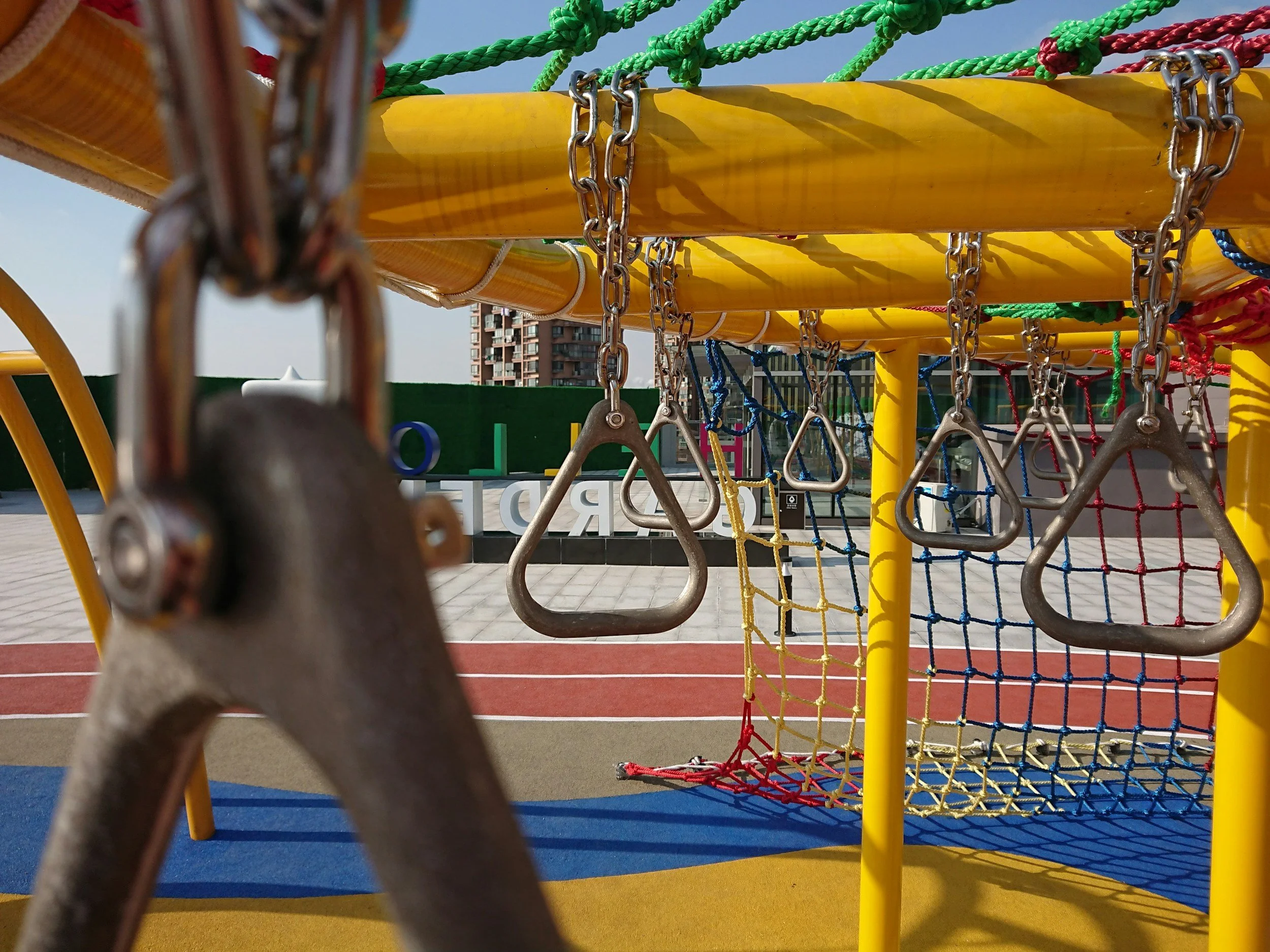
Play As a Nervous System Intervention
Explore how play functions as a nervous system intervention in trauma healing, supporting regulation, flexibility, and physiological safety through somatic principles.
Trauma isn’t “just in your head.” It lives in the body
— specifically in how the nervous system organizes defense responses long after a stressor has passed. When the body repeatedly perceives threat without sufficient safety or recovery, protective survival responses (fight, flight, freeze) can remain active even in non-threatening situations. This chronic autonomic activation contributes to anxiety, emotional dysregulation, and a restricted ability to engage socially or experience pleasure. Neurological research shows these patterns are not primarily cognitive; they are rooted in physiological processes that require experience, not just insight, to change.
The Nervous System and Regulation
Central to autonomic regulation is the vagus nerve, a major component of the parasympathetic nervous system that helps slow heart rate and promote recovery after stress. Healthy vagal function — often indexed by heart rate variability (HRV) — is correlated with better emotional and physiological regulation. Research links altered vagal regulation with childhood adversity and chronic stress, suggesting that how the nervous system responds to challenge is a critical component of long-term psychological and physical health.
Stephen Porges’ Polyvagal Theory, while debated in some neuroanatomical details, offers a widely used framework for understanding how autonomic states support social engagement or defensive survival responses. It emphasizes that physiological safety — not just cognitive belief in safety — is necessary for regulation and connection.
Why Play Matters
Play may seem “light,” but it involves dynamic physiological patterns that are exactly what a dysregulated nervous system needs to retrain itself. Play naturally mixes:
Activation — through movement and novelty
Recovery — through safe end points and social engagement
This cycle allows the autonomic nervous system to experience manageable activation followed by return to calm, thereby strengthening its flexibility. Some practitioners describe this as “exercising the vagal brake,” meaning play helps the nervous system learn how to shift between states of arousal and regulation more fluidly.
While most research on play’s effects comes from developmental studies — showing that free play is linked with improved baseline vagal tone in children — the physiological mechanisms (activation followed by recovery through safe engagement) are not exclusive to childhood. Similar pathways underlie adult nervous system regulation, even if the form of play looks different.
Takeaway
Play is not recreational fluff — it’s a biological experience that contributes to autonomic regulation by repeatedly providing safe activation and recovery. As a nervous system intervention, it supports flexibility, recovery after stress, and stronger social engagement pathways.
-
Free social play in children predicts higher levels of respiratory sinus arrhythmia (a marker of parasympathetic/vagal activity), suggesting play supports autonomic regulation.
Gleason, T. et al. (2021). Opportunities for free play and young children’s autonomic regulation.
https://pubmed.ncbi.nlm.nih.gov/34196394/ -
Reviews associations between early adversity and vagal functioning, indicating alterations in autonomic regulation linked with stress exposure.
Systematic review on childhood adversity and vagal activity.
https://www.sciencedirect.com/science/article/pii/S0149763422004092 -
Polyvagal Theory describes vagal tone (as indexed by RSA) as a physiological marker of parasympathetic regulation relevant to social engagement and stress response.
Polyvagal theory (summary).
https://en.wikipedia.org/wiki/Polyvagal_theory -
Heart rate variability (HRV), including RSA measures, is widely used in psychophysiological research to index cardiac vagal (parasympathetic) influence and self-regulatory capacity.
Laborde, S., et al. (2017). Heart Rate Variability and Cardiac Vagal Tone in Psychophysiology.
https://www.frontiersin.org/journals/psychology/articles/10.3389/fpsyg.2017.00213/full -
In an animal study, natural play behavior elevated HRV (a marker of parasympathetic activation) during and immediately after play, signaling a positive autonomic effect of play behavior in mammals.
Steinerová, K. (2025). Play behavior increases heart rate variability in pigs.
https://pmc.ncbi.nlm.nih.gov/articles/PMC11812062/ -
Play supports learning, exploration, social skills, and emotional development, including neural pathway integration — foundational concepts relevant to nervous system processes.
Learning through play. Wikipedia overview.
https://en.wikipedia.org/wiki/Learning_through_play