Why Integration Matters in Somatic Healing
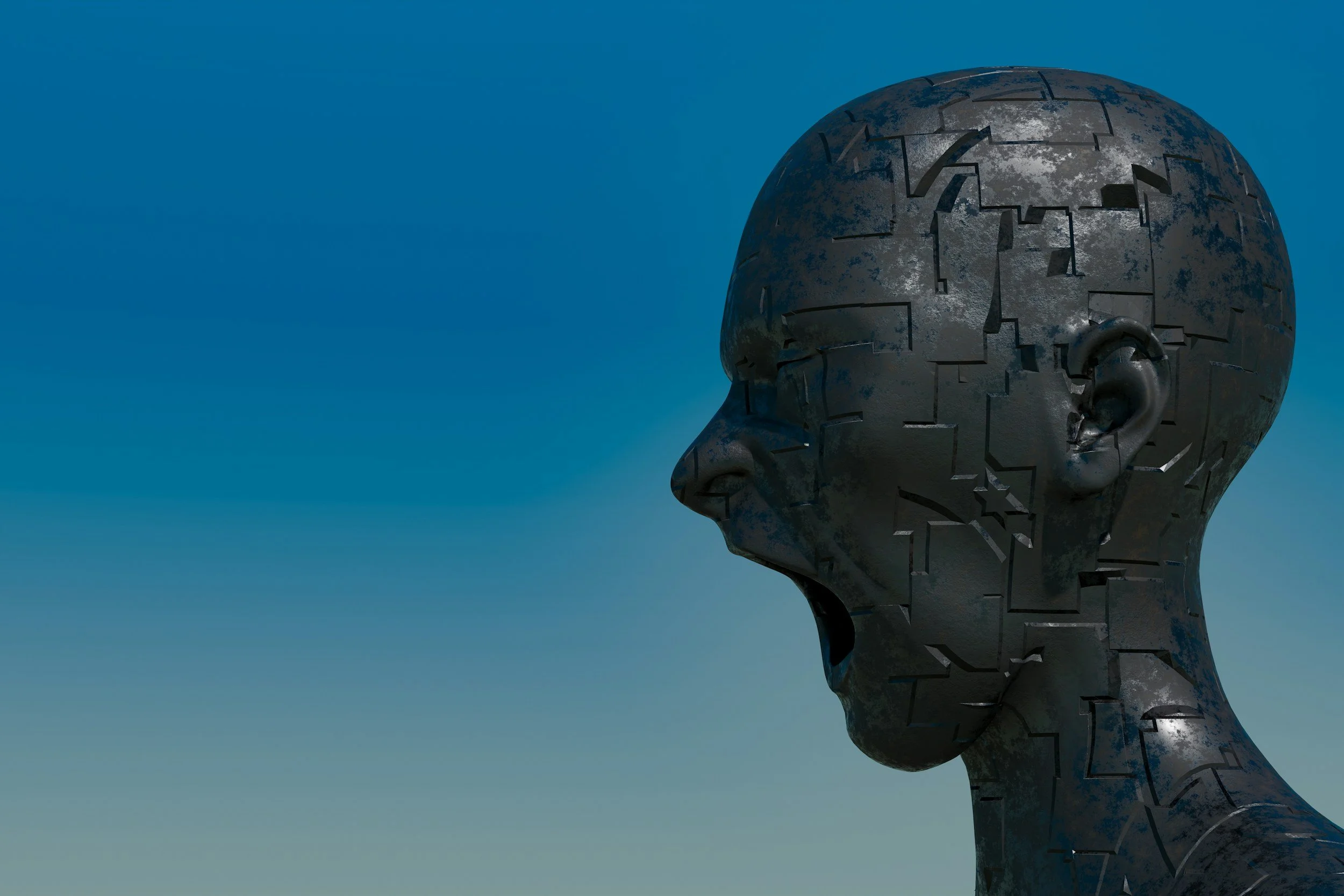
Healing trauma with Breathwork, Psychedelic medicines, sound/ vibration & Nervous System Regulation
You can cry during a breathwork session, shake during somatic movement, feel euphoric after ketamine therapy, have a profound emotional release in yoga or sound healing…and still not actually heal.
That statement surprises people because modern wellness culture has become deeply focused on activation experiences. Intense catharsis. Big breakthroughs. Massive emotional releases. Peak states. Altered states. “Transformational” weekends. But in somatic trauma healing, the release itself is not the finish line. In many ways, it’s the beginning.
The real question is this: What happens after the nervous system opens something up?
The answer is- integration.
What Is Integration in Somatic Healing?
In simple terms, integration is the process of helping the nervous system absorb, organize, and make sense of an experience so it can become part of your life instead of remaining fragmented, overwhelming, or unfinished. In trauma healing, integration is what helps the body realize:
“That happened… and I survived it.”
“I can feel this without disappearing.”
“I can move through activation and come back to safety.”
Without integration, experiences can remain isolated events that the nervous system cannot fully process or incorporate. This matters because trauma is not simply about difficult events. Trauma is often about what the nervous system could not fully process, complete, or recover from at the time the event occurred.¹
What Integration Might Look Like in a Session
People sometimes assume integration means “talking about your feelings afterward.” That can be part of it, but true bottom-up somatic integration involves much more than intellectual reflection. Integration may look like:
Slowing down after activation instead of escalating further
Tracking sensations in the body
Orienting to the room and environment
Noticing changes in breathing, temperature, tension, or posture
Allowing moments of rest between emotional waves
Moving gently between activation and settling
Being witnessed by a regulated, empathetic practitioner
Creating meaning after the body has processed—not forcing insight first
Sometimes integration feels profound. Sometimes it feels incredibly ordinary. A person may suddenly feel hungry, sleepy, emotional, clear-headed, calm, shaky, tender, exhausted, connected, or unexpectedly quiet. Many people expect healing to feel dramatic. But neurologically, healing often looks more like the nervous system learning that it no longer has to remain stuck in survival mode all the time.
Why the Nervous System Needs Integration
The nervous system does not heal through intensity alone. It heals through capacity.
During somatic work, psychedelic experiences, breathwork, or emotional release practices, the nervous system may access material that was previously suppressed, dissociated, or defended against. This can temporarily increase activation in the body—heart rate changes, shaking, crying, sweating, fear, grief, anger, or emotional flooding.
If the nervous system is pushed beyond its ability to process that activation safely, the experience can become overwhelming rather than healing.² This is why modern trauma research emphasizes concepts like:
Titration — approaching activation in manageable amounts
Pendulation — moving between activation and regulation
Co-regulation — the stabilizing effect of a safe, attuned other
Neuroplasticity — the brain’s ability to reorganize through repeated regulated experiences
Integration is where these processes become biologically meaningful.
What’s Happening Neurologically?
Trauma affects multiple systems in the brain and body, including the amygdala, hippocampus, autonomic nervous system, vagal pathways, endocrine system, and stress-response networks.³ When someone experiences chronic stress or trauma, the brain becomes increasingly organized around prediction and protection. The nervous system learns to prioritize survival over connection, rest, curiosity, pleasure, and emotional flexibility.
In somatic healing, the goal is not to erase difficult experiences. The goal is to help the nervous system develop enough safety and flexibility that those experiences no longer dominate present-day functioning.
Integration supports this process neurologically by helping the brain and body:
Reorganize stress responses
Increase tolerance for emotional and physiological activation
Strengthen regulation pathways
Build new associations of safety, connection, and recovery
Reduce fragmentation between emotional, cognitive, and bodily experiences
Research on memory reconsolidation suggests that emotional experiences can change when new regulated experiences occur alongside previously distressing material.⁴ In other words, the nervous system learns something different through experience, not just through insight.
That is one reason why integration cannot be skipped.
What Happens Without Integration?
This is where many people get stuck—not because they are doing something wrong, but because our culture has taught us to think healing happens in singular, dramatic moments. We tend to believe trauma came from one event, so healing must also come from one event. A breakthrough. A ceremony. A cathartic release. A profound emotional experience where you walk out feeling lighter than when you walked in.
And to be fair, many of these modalities do create real and measurable shifts in the body. Breathwork can temporarily alter physiology. Ketamine and psychedelics can interrupt rigid neural patterns. Yoga, sound healing, somatic movement, and emotional release practices can create genuine changes in nervous system activation, hormone release, muscle tension, breathing patterns, and emotional access.
People often leave these experiences feeling calmer, more connected, more emotional, more open, or temporarily relieved. That feeling is real. But without integration, those moments often remain temporary states rather than lasting nervous system change.
The nervous system does not become regulated simply because it touched regulation briefly. Healing happens when the body learns, through repetition and supported integration, how to return to those states more consistently and sustainably over time.
Without integration, people can unintentionally begin relying on the experience itself to create relief. Not because they are addicted to healing work, but because those moments may be the only time their body feels different. The nervous system starts associating healing with the intensity of the event rather than with the slower process of building capacity, safety, flexibility, and regulation in everyday life.
Integration is the part that helps the experience actually land. It’s the slowing down afterward. The noticing. The resting. The meaning-making. The nervous system learning how to carry the experience forward into daily life instead of leaving it behind in the workshop, ceremony, session, or class. And integration has to happen with an empathetic witness- someone to help you make sense of it all, to literally see how your body changed, and help bring an awareness to you about what is different, to hold the space intentionally with their nervous system available for co-regulation.
Without that piece, people often keep searching for the next profound moment because the relief fades quickly. Not because the modality failed, but because the nervous system was never fully supported in incorporating the experience into long-term regulation.
But the nervous system never fully settles, organizes, or incorporates the experience. Without integration, people may experience:
emotional flooding
dysregulation
dissociation
confusion
dependency on repeated peak experiences
worsening anxiety
exhaustion
retraumatization
difficulty functioning in everyday life
Sometimes people mistake activation for healing simply because something intense happened. But intensity and healing are not the same thing. A nervous system that repeatedly opens without support, pacing, repair, or integration can become more destabilized over time—not less.
Why Integration Changes Healing Outcomes
Real healing is not measured only by what happens in the session. It’s measured by what happens afterward:
Can you stay present during conflict?
Can you feel emotions without shutting down?
Can your body return to regulation more easily?
Can you experience connection without panic?
Can you tolerate joy, rest, intimacy, or uncertainty more fully?
These are nervous system shifts. And those shifts are often built slowly through integrated experiences—not dramatic breakthroughs alone. The body changes through repetition, safety, relationship, and regulated exposure over time.⁵ That’s why ethical, trauma-informed somatic work does not simply focus on opening people up. It focuses on helping them come back together afterward. Because healing is not just about accessing pain.
It’s about helping the nervous system learn that it no longer has to survive the present moment like it survived the past.
-
Levine, P. A. (2010). In an Unspoken Voice: How the Body Releases Trauma and Restores Goodness. North Atlantic Books.
https://www.penguinrandomhouse.com/books/205537/in-an-unspoken-voice-by-peter-a-levine-phd/ -
Ogden, P., Minton, K., & Pain, C. (2006). Trauma and the Body: A Sensorimotor Approach to Psychotherapy. W. W. Norton & Company.
https://wwnorton.com/books/9780393704574 -
van der Kolk, B. A. (2006). Clinical implications of neuroscience research in PTSD. Annals of the New York Academy of Sciences, 1071(1), 277–293.
https://doi.org/10.1196/annals.1364.022 -
Ecker, B., Ticic, R., & Hulley, L. (2012). Unlocking the Emotional Brain: Eliminating Symptoms at Their Roots Using Memory Reconsolidation. Routledge.
https://www.routledge.com/Unlocking-the-Emotional-Brain/Ecker-Ticic-Hulley/p/book/9780415897178 -
Porges, S. W. (2011). The Polyvagal Theory: Neurophysiological Foundations of Emotions, Attachment, Communication, and Self-Regulation. W. W. Norton & Company.
https://wwnorton.com/books/9780393707001